



The Eco Galaxy Galapagos Cruise Tour
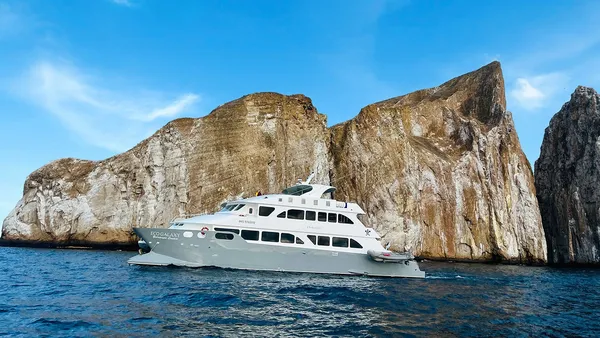
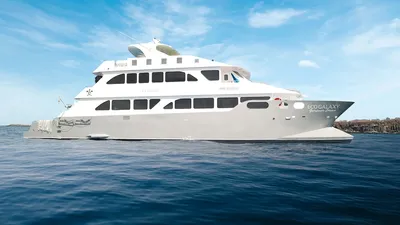
The EcoGalaxy Cruise invites you to explore the Galapagos Islands with a perfect balance of adventure, comfort, and ecological responsibility. Purpose-built to sail the archipelago while preserving its fragile environment, the EcoGalaxy combines first-class amenities with sustainable design for a conscientious and unforgettable journey.
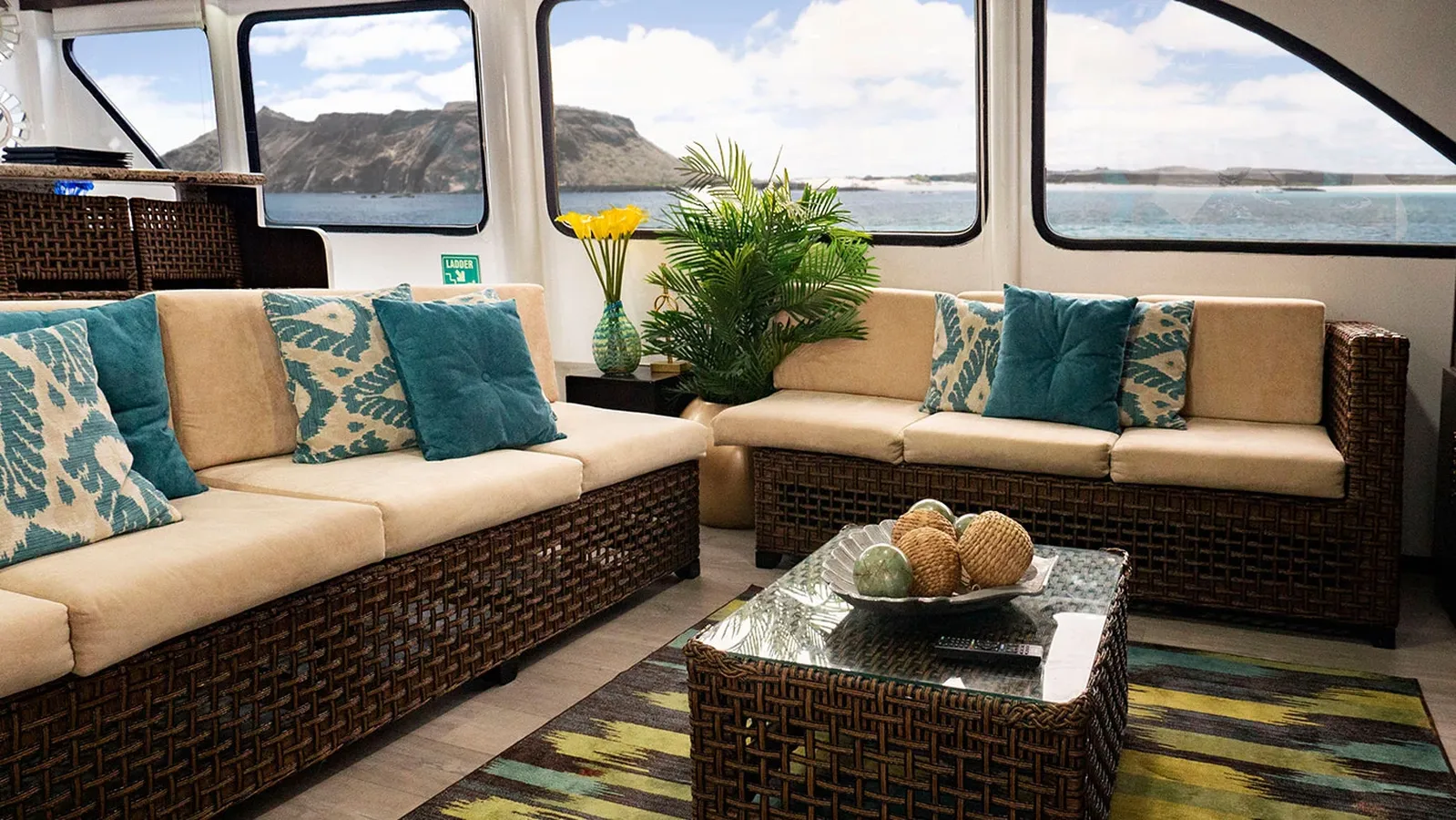
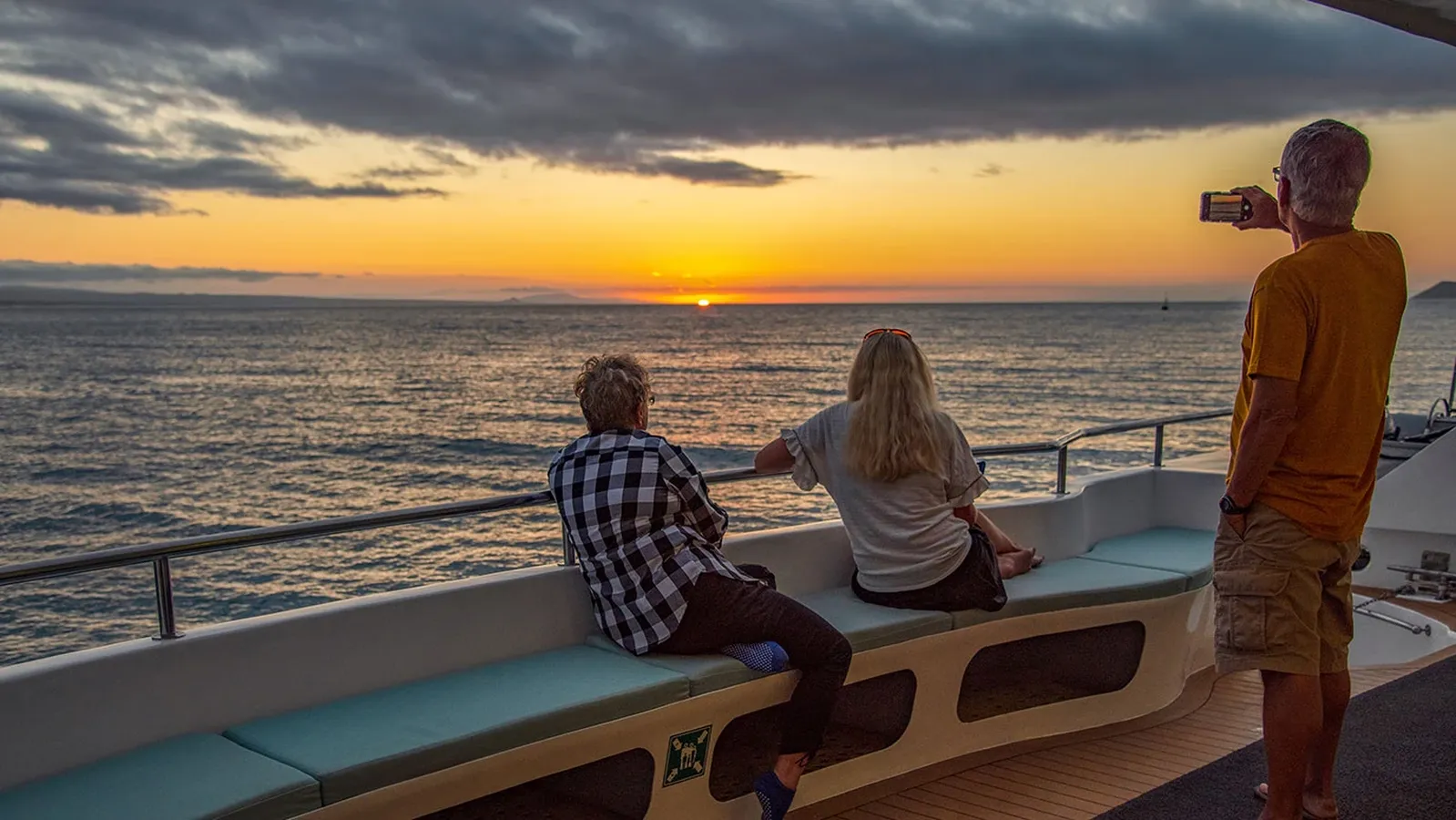
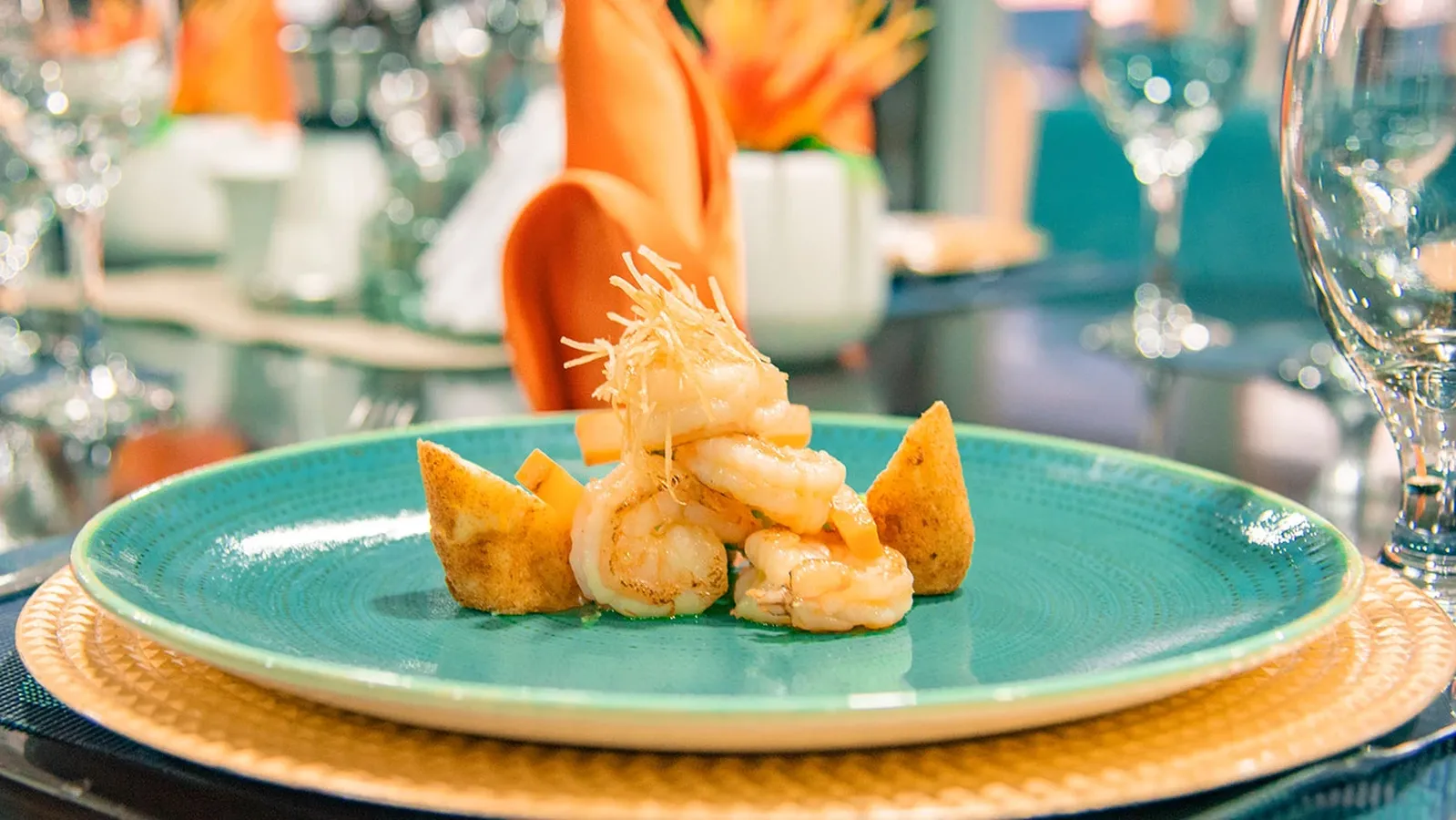
This intimate catamaran offers spacious social areas, a panoramic solarium, and elegant dining spaces where guests can enjoy sweeping views of the Enchanted Islands. Each of the cabins are designed for couples, families, or solo travelers and features a private bathroom and modern comforts to ensure a serene retreat at sea.
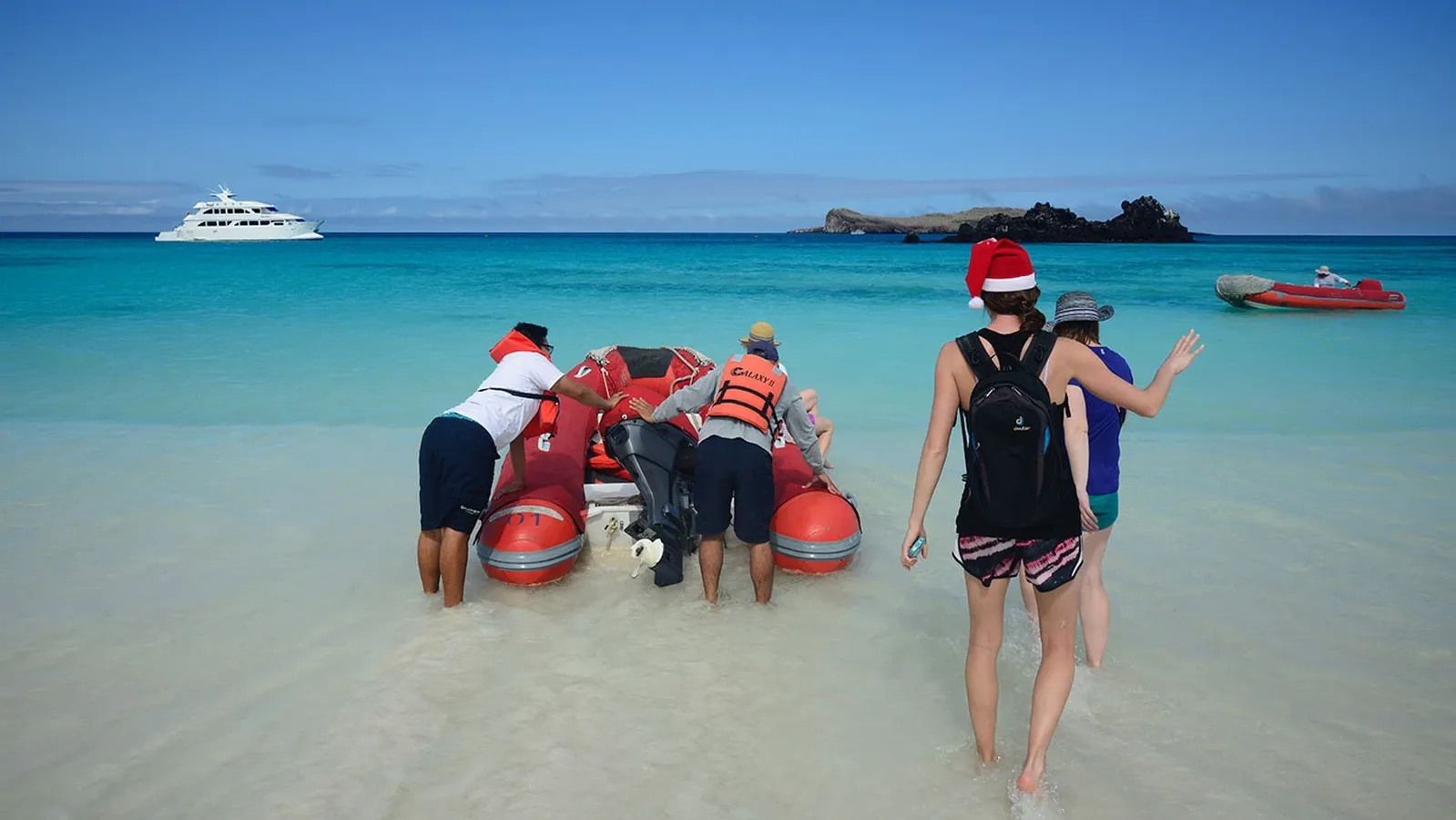
Throughout your voyage, you will experience daily guided excursions led by certified Galapagos National Park naturalists, including hiking, snorkeling, kayaking, and panga rides. Thoughtfully engineered to minimize environmental impact, the EcoGalaxy provides a seamless blend of discovery, relaxation, and sustainability in one of the world's most extraordinary destinations.
The Eco Galaxy Galapagos Cruise Accommodation
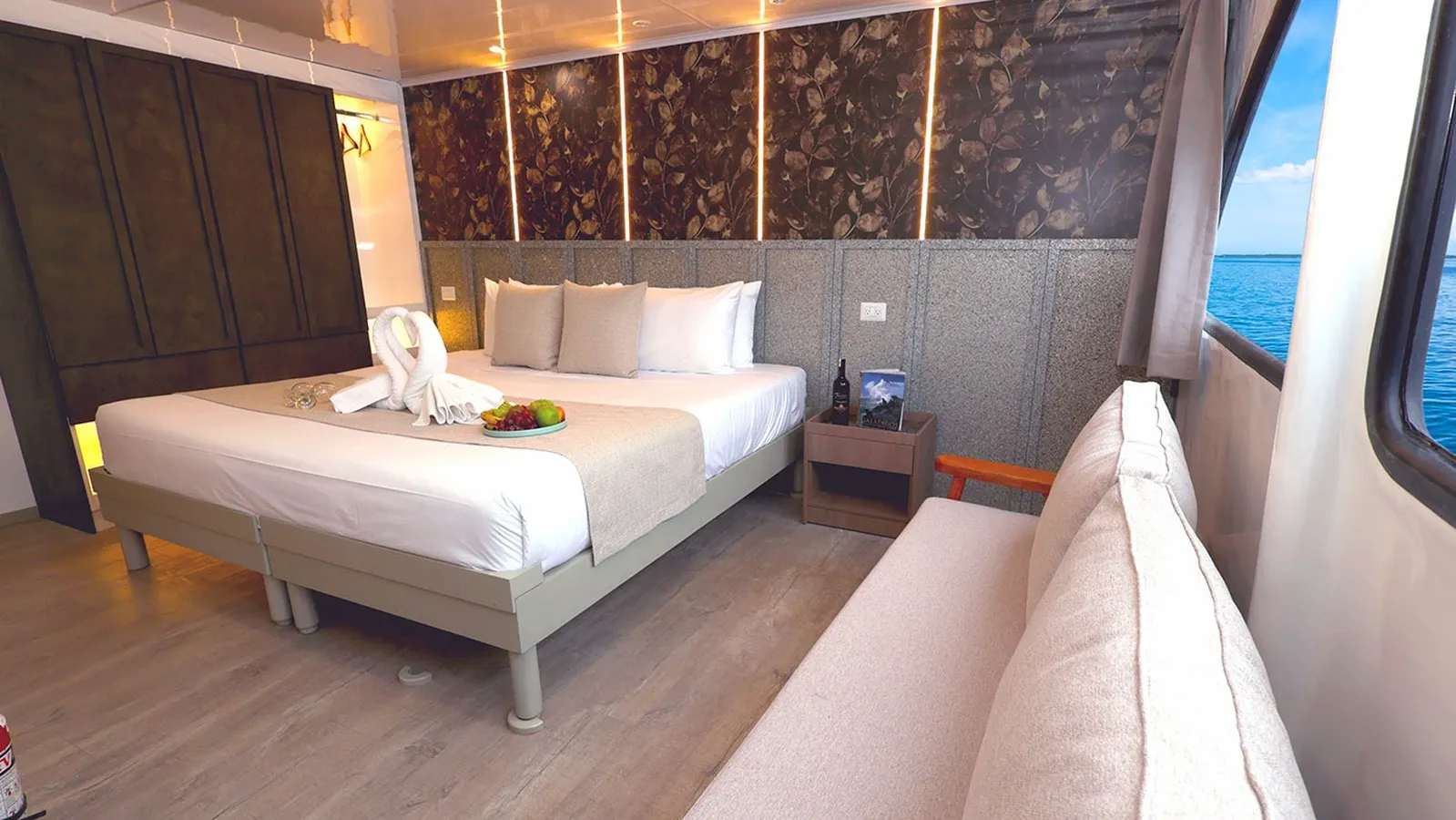
The EcoGalaxy Cruise offers nine thoughtfully designed cabins suitable for couples, families, friends, and solo travelers. Each cabin features a private bathroom with hot water, air-conditioning, and panoramic windows.
Each provides a serene space to relax between daily adventures. The vessel includes:
-
Matrimonial Cabins (22 m²) – Ideal for couples seeking added space and privacy
-
Twin Cabins (20 m²) – With two single beds, perfect for families, friends, or shared occupancy
-
Triple Cabin (20 m²) – Featuring a double bed and a sofa bed, suitable for families with children
All cabins include:
-
Private bathroom with hot shower, hair dryer, and towels
-
Air-conditioning
-
Large windows for natural light and views
-
Eco-conscious toiletries and daily service
The Eco Galaxy Galapagos Cruise Tour Summary
Each day aboard the EcoGalaxy offers a diverse mix of activities that bring you closer to the natural wonders of the Galapagos.
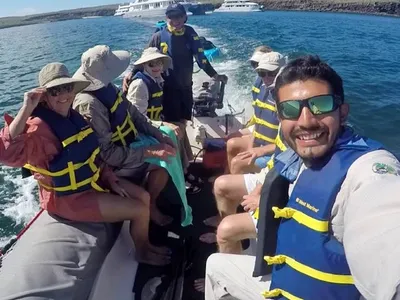
You’ll enjoy guided hikes led by certified naturalist guides, revealing the unique landscapes, flora, and fauna of each island. Snorkeling is a highlight, with full gear and wetsuits provided, allowing you to safely explore vibrant marine life, sea turtles, and reef fish. Panga rides offer intimate access to mangrove-lined coves and coastal wildlife, while optional kayaking lets you paddle through designated areas for a more personal connection with the beauty of the Galapagos.
Video Introduction

Tour Info
- Country: Ecuador
- Focus Area: Galapagos National Park
- Duration: 5 & 6 days
- Start Point: Baltra Island / San Cristobal
- End Point: Baltra Island / San Cristobal
The Eco Galaxy Galapagos Cruise Itinerary
Choose your itinerary
Click a duration to see the day-by-day programme for this cruise.
Other itineraries may be available — send a request to check options and pricing.
Day 1 · Tuesday
San Cristobal Arrival & Lobos Island
You'll land at San Cristóbal Airport, a modest but busy gateway into the islands, where a naturalist guide is waiting to welcome you aboard. In the afternoon, Lobos Island, a small islet near San Cristóbal, offers an unforgettable wildlife encounter, sea lions greet you on landing as they play in the tide pools, frigatebirds display their inflated red pouches from the bushes inland, and blue-footed boobies perform their courtship dance right along the trail. The calm water here is ideal for a snorkel among playful sea lions, sea turtles and rays.
Day 2 · Wednesday
Gardner Bay & Suarez Point
Gardner Bay is one of the most beautiful and interesting beaches in the Galápagos, its fine coral sand and turquoise water give it a tropical feel, set against sea lions basking on the shore. A walk along the beach brings you close to the biology of the Española mockingbird, marine iguanas and Galápagos hawks, and the water offshore is a fantastic snorkel, with sea lions, reef sharks, rays and a wide range of fish including angelfish, parrotfish, damselfish and surgeonfish. Some sailings substitute a stop at Osborn Islet instead. In the afternoon, Suárez Point is one of the finest nature walks in the Galápagos, sea lions and marine iguanas greet you first, followed by large seabird colonies including Nazca and blue-footed boobies, gulls and tropicbirds. The trail ends at a colony of waved albatross, present from April to January, the largest bird in the islands and known for its powerful flight and elaborate courtship. Española is the only place they nest, so this is your only chance to see them up close.
Day 3 · Thursday
Post Office Bay & Cormorant Point
Post Office Bay carries the story of Floreana's German settlers and the mysterious baroness of the late 1920s and 30s, a tale of assassinations, disappearances and unsolved mysteries. Whalers once anchored here to stock up on fresh water and tortoises, and a barrel-based mail system set up more than 200 years ago is still in use today, letting you send a postcard from the islands to anywhere in the world. The beach and surrounding water are good for a dinghy tour or a snorkel, with sea lions, sea turtles, rays, small sharks and, if you're lucky, a Galápagos penguin. In the afternoon, Punta Cormorant, in northern Floreana, is known for its large coastal lagoon, home to flamingos, white-cheeked pintails, black-necked stilts and other shorebirds. A white sand beach here is an important nesting ground for green sea turtles, and rays and reef sharks are often seen offshore, with a small group of blue-footed boobies now breeding right along the trail. Snorkelling takes place at Devil's Crown, a heavily eroded volcanic cone considered one of the best snorkel sites in the entire archipelago, its currents funnel plankton through the crater, drawing huge schools of snapper, Creole fish, parrotfish and angelfish, along with reef sharks, sea turtles and rays.
Day 4 · Friday
Santa Fe Island & South Plaza Island
Santa Fe Island sits within one of the most stunning bays in the Galápagos, home to towering prickly pear cacti and ancient lava formations. Its white sand beach and turquoise water host a large sea lion colony, and the trail is a good spot to find the endemic Santa Fe land iguana and, with luck, a Galápagos hawk scanning for prey from atop a cactus, along with Darwin's finches, doves, mockingbirds and lava lizards. Afterward the sheltered bay is ideal for a snorkel among sea lions, reef sharks, sea turtles, rays and schools of surgeonfish and parrotfish. In the afternoon, South Plaza Island is the only one of its twin pair open to visitors, its northern sibling reserved for scientific research. Land iguanas wait beneath the Opuntia cacti for fallen fruit, while a large sea lion colony fills the shore, pups playing in the tide pools as bulls defend their territory. The trail leads to a dramatic clifftop with sweeping ocean views, where frigatebirds, blue-footed boobies, red-billed tropicbirds and swallow-tailed gulls soar overhead, all set against a blanket of reddish succulent ground cover.
Day 5 · Saturday
Charles Darwin Station & Departure
The Charles Darwin Station has worked alongside the Galápagos National Park for decades to protect the islands' biodiversity, and you'll learn about the projects tackling invasive species and breeding giant tortoises in captivity, one of the most significant conservation efforts in the islands. The visit takes place outdoors in a dry native forest, a good spot to see Darwin's finches, flycatchers and mockingbirds. Afterward you'll be transferred to Baltra Airport for your flight back to mainland Ecuador.
Day 1 · Saturday
Baltra Arrival & Santa Cruz Highlands
You'll land at Baltra Airport, where your naturalist guide is waiting to welcome you. From there it's a short ferry ride across the Itabaca Channel to Santa Cruz Island, passing Baltra's arid terrain and hearing about its history as a former US WWII airbase. In the afternoon, a bus ride takes you into the lush highlands of Santa Cruz, home to giant tortoises grazing and resting in freshwater ponds, along with bird species rarely seen at lower elevations. Depending on the day's route, you may also visit a lava tunnel and learn how volcanic activity shaped the islands.
Day 2 · Sunday
Moreno Point & Elizabeth Bay
Moreno Point's lava fields look lifeless at first glance, but inland, brackish lagoons hold flamingos, gallinules, ducks and herons, while the coastline draws penguins, marine iguanas, flightless cormorants, blue-footed boobies and sea lions. Snorkelling here turns up sea turtles, cormorants and a wide range of fish, and if you look closely in the seaweed you might spot a seahorse. In the afternoon, Elizabeth Bay is a sheltered inlet ringed by mangroves and lava fields, explored entirely by dinghy since there's no landing here. It's one of the best places in the islands to see Galápagos penguins, though sightings are never guaranteed given the entire population numbers only around 3,000 birds. Flightless cormorants nest in the area, and blue-footed boobies and pelicans fish the shallow water alongside rays and sea turtles.
Day 3 · Monday
Urbina Bay & Tagus Cove
Urbina Bay was thrust up from the seabed in a dramatic uplift during the 1950s, and shells and coral still visible along the trail prove the ground was underwater as recently as sixty years ago. Land iguanas are common here, and giant tortoises appear in certain seasons, while Galápagos hawks nest nearby and are often seen flying or perched in the trees. Snorkelling from the beach turns up sea turtles, cormorants, penguins and plenty of fish. In the afternoon, Tagus Cove holds real history, Charles Darwin explored this stretch of coast himself. The trail winds through dry Palo Santo forest, home to finches and mockingbirds, climbing to views over Darwin's Lake and the volcanoes of northern Isabela. A boat tour along the shore brings sightings of penguins, flightless cormorants, marine iguanas and the rare Galápagos martin, one of the most endangered birds in the archipelago, while the water below draws sea turtles, tropical fish and penguins feeding on anchovies.
Day 4 · Tuesday
Espinoza Point & Albemarle Point
Espinoza Point sits at the base of the most active volcano in the Galápagos, and as you step ashore you're greeted by the largest colony of marine iguanas in the islands, sea lions and their pups play in the surrounding tide pools, and flightless cormorants patrol the shoreline, a species found only in the western reaches of the archipelago. The cold, plankton-rich water supports herons, pelicans, oystercatchers and sea turtles, and Galápagos hawks often perch in the mangroves scanning for prey. Snorkelling here is a highlight, with an abundance of fish and sea turtles, plenty of seaweed for marine iguanas to feed on underwater, and the chance to follow a cormorant chasing fish through the reef. In the afternoon, Albemarle Point blends military history with Galápagos wildlife, the US built a radar base here during World War II to watch for Japanese threats, and remnants of the structure remain visible today. Despite its stark, lava-covered terrain, the coastline is rich in life, some of the largest marine iguanas in the archipelago live here, alongside penguins, flightless cormorants and various shorebirds. Snorkelling turns up flightless cormorants, penguins and schools of tropical fish in clear water.
Day 5 · Wednesday
Egas Port & Espumilla Beach / Buccaneer Cove
Egas Port has no actual port despite the name, but remnants of a 1960s colonisation attempt still stand. The coastal trail is rich with marine iguanas, sea lions, herons, oystercatchers and shorebirds, and further along, the grottos shelter a small colony of the endemic Galápagos fur seal. Land iguanas were reintroduced here in 2019 after more than a century's absence from the island. Snorkelling from the beach turns up fish, turtles and reef sharks over a rocky bottom, often with sea lions joining in. In the afternoon, Espumilla Beach is a striking stretch of rust coloured sand on Santiago's northern coast, backed by mangroves and dry forest that shelter hawks, finches and mockingbirds, with flamingos and ducks sometimes appearing in the salt pan during the rainy season. From there, Buccaneer Cove reveals a historic pirate hideout used through the 17th and 18th centuries, its towering cliffs and dramatic rock formations best explored by dinghy, since there's no trail. Snorkelling in the sheltered bay turns up angelfish, parrotfish and snappers, along with reef sharks, sea turtles and playful sea lions.
Day 6 · Thursday
Dragon Hill or Daphne Major & Departure
Your final stop is one of two remarkable sites, Dragon Hill on Santa Cruz, where land iguanas roam freely and flamingos gather at a saltwater lagoon, or Daphne Major, a nesting site for seabirds and the location of some of the most influential research ever conducted on finch evolution. Afterward you'll be transferred to Baltra Airport for your flight back to mainland Ecuador.
Day 1 · Thursday
Baltra Arrival & Black Turtle Cove
You'll land at Baltra Airport, where your naturalist guide is waiting to welcome you. From there it's a short ferry ride across the Itabaca Channel to Santa Cruz Island, passing Baltra's arid terrain and hearing about its history as a former US WWII airbase. In the afternoon, Black Turtle Cove takes its name from the green sea turtles that gather here, known locally as tortugas negras. There's no landing, so you'll explore the shallow channels and coves by dinghy, weaving through mangrove forest that shelters reef sharks, sea turtles and several ray species. It's considered an important mating site for turtles and a nursery for sharks, and herons, pelicans and boobies are often seen hunting through schools of anchovies.
Day 2 · Friday
Chinese Hat & Rabida Island
Chinese Hat is a small islet named for its distinctive cone shape, separated from Santiago by a narrow channel and framed by turquoise water, coral sand and volcanic rock, one of the most picturesque bays in the islands. A coastal trail leads through a sea lion colony, and penguins are sometimes spotted resting on the lava rocks. Snorkelling here is a highlight, with vividly coloured fish, reef sharks and, if you're lucky, a penguin chasing anchovies through the water. In the afternoon, Rábida is a small island known for its reddish, iron-rich lava rock and matching red sand beach, home to a small sea lion colony. A saltwater lagoon nearby draws ducks, stilts and sometimes flamingos, and the inland trail offers sweeping views over the beach and lagoon, along with Darwin's finches, flycatchers and mockingbirds. Along the coastal cliffs you'll find Nazca and blue-footed boobies, brown noddies, herons and both Galápagos sea lions and fur seals. Snorkelling from the beach explores a sheltered rocky area, strong for fish, sea lions and reef sharks, with a wide range of small invertebrates clinging to the underwater walls.
Day 3 · Saturday
North Seymour Island & Santa Cruz Highlands
North Seymour Island is home to large colonies of both magnificent and great frigatebirds, and you'll likely see the males displaying their inflated red pouches to attract a mate. Blue-footed boobies nest on the ground here and perform their famous courtship dance in the open areas, while swallow-tailed gulls perch along the cliff edges. Land iguanas are common inland, their marine cousins bask on the rocks by the sea, and sea lions often body-surf in the waves close to shore. The snorkelling here is excellent, with a huge diversity of fish alongside sea lions, sharks, eels, turtles and rays. In the afternoon, a bus ride takes you into the lush highlands of Santa Cruz, home to giant tortoises grazing and resting in freshwater ponds, along with bird species rarely seen at lower elevations. Depending on the day's route, you may also visit a lava tunnel and learn how volcanic activity shaped the islands.
Day 4 · Sunday
El Barranco & Darwin Bay
El Barranco sits at the southern end of Darwin Bay on Genovesa Island, where fragile, fractured lava cliffs shelter storm petrel colonies, which in turn attract a strong population of short-eared owls hunting the nesting birds. Red-footed and Nazca boobies nest abundantly along the trail, and Galápagos fur seals rest in the shade at the base of the cliffs. The water here is a good snorkel, with plenty of fish and a strong chance of sharks, rays and sea lions. In the afternoon, Genovesa is a favourite among birdwatchers for its huge seabird colonies, and the moment you step onto the beach you'll understand why, hundreds of boobies, gulls and frigatebirds fill the air, perch in the bushes or nest right on the sand. The trail brings you close to sea lions and marine iguanas near the water, while night herons, gulls, finches, doves and mockingbirds fill the space further inland. The bay offers snorkelling from deep cliff-lined water to shallow beach coves, both with a strong chance of fish, sharks, rays and sea lions.
Day 5 · Monday
Sullivan Bay & Bartolome Island
Sullivan Bay is a walk through the volcanic origins of the islands, across a remarkably well preserved pahoehoe lava flow, its delicate texture found in only a handful of places on earth. The landscape looks barren at first, but a closer look reveals pioneer plants, lava lizards and small birds, while penguins, pelicans and oystercatchers gather along the shore. Snorkelling from the coral sand beach or the dinghies feels like entering another world entirely, with fish schools, penguins, reef sharks, turtles and rays all thriving beneath the surface. In the afternoon, Bartolomé Island is one of the most iconic in the Galápagos, known for its dramatic volcanic landscape and the famous Pinnacle Rock, and one of the few places you can see penguins without travelling out to Isabela or Fernandina. The climb to the summit rewards you with sweeping views over a lunar-like terrain of volcanic cones, taking in Sullivan Bay and Pinnacle Rock below. The snorkelling here is some of the best in the islands, with penguins, colourful fish, sea turtles, sea lions, rays and reef sharks all sharing the same clear water.
Day 6 · Tuesday
San Cristobal Interpretation Center & Departure
On the outskirts of Puerto Baquerizo, the Interpretation Center covers the history of human presence in the Galápagos, from early Spanish explorers through to notable visitors like Charles Darwin, tracing the struggles of the first settlers in this harsh environment. Afterward you'll be transferred to San Cristóbal Airport for your flight back to mainland Ecuador.
The Eco Galaxy Galapagos Cruise Activities
Snorkelling
Wildlife walks
Kayaking
Paddleboarding
Dinghy and panga rides
Birdwatching
Lava field walks
Volcanic summit hikes
War-era history stops
Beach relaxation
Conservation center visits
Cultural and historical stops
Rates & Inclusions
5 days / 4 nights
Cabin (Double Occupancy): $4,100
Charter rate: $62,320
from $3,895pp at max capacity (16 guests)
6 days / 5 nights
Cabin (Double Occupancy): $5,100
Charter rate: $77,520
from $4,845pp at max capacity (16 guests)
Notes
- Regular rate per person and based on double occupancy
- Single supplement 50%
- Discount for children 10% (between 6 and 11 years old)
- Christmas and New Year surcharge 50%
- Round trip flight to Galapagos at US$ 450 per person
- Handling fee for not issuing flight tickets with cruise US$ 60 per person
Included
- Airport assistance on the cruise departure dates
- Transportation and fuel surcharge in the Marine Reserve of Galapagos
- Accommodation in single, double or triple cabin according to your booking
- Bilingual naturalist guide (English-Spanish)
- Personalized crew service
- All meals during the cruise, from lunch on the first day to breakfast on the last day
- One snack after each activity (except last day)
- Welcome cocktail
- Unlimited purified water, coffee and tea
- All visits, excursions & activities according to the itinerary
- Transportation Airport-Channel/Channel-Airport (Lobitos Bus)
- Docks use and ferries
- Snorkeling gear (mask, tube, and fins)
- Use of kayaks and paddle boards in authorized places
- Wetsuits
- Shampoo, hair conditioner, and soap for daily use
- Beach towels
- Hair dryer in the cabins
- Cloth/towel dryer (only available onboard M/C EcoGalaxy and M/Y Galaxy)
Not Included
- International flights to/from Ecuador
- Galapagos Islands airfare from/to mainland (Quito or Guayaquil)
- Galapagos National Park entrance fee ($200 per person)
- Transit Control Card ($20 per person)
- Alcoholic and soft drinks
- Tips and gratuities
- Personal expenses
- Travel insurance (Highly recommended)
- Additional services not indicated

Operated By Galaxy Expeditions
About Galaxy Expeditions
Galaxy Expeditions operate a fleet of premium vessels in the Galapagos Islands, including the boutique Galaxy Sirius, elegant Alya Catamaran, eco-friendly EcoGalaxy, and the family-oriented Bonita Yacht. Their cruises range from luxury multi-day cruises to flexible day trips with Galaxy Daily, each offering comfort, exclusivity, and deep connection with nature.
With over 15 years of experience, Galaxy Expeditions creates personalized and immersive journeys across the Galapagos, Ecuador, Peru, and Colombia. Their vessels carry a maximum of 16 passengers, allowing for attentive service and minimal environmental impact.
Galaxy Expeditions promote sustainable travel through eco-conscious design, responsible operations, and respectful engagement with local communities. Their team ensures a seamless experience from planning to return, combining adventure, cultural connection, and environmental stewardship.

Galaxy Expeditions Details
Explore More Tours

The Petrel Luxury Cruise
Baltra Island, Ecuador
- Galapagos Islands
- Galapagos National Park
- Luxury Cruise, Guided Galapagos Tours
The luxurious Petrel Galapagos Cruise offers you an extraordinary journey of the Galapagos Islands. Over 3, 4, 5 or 7-night …

The Ocean Spray Cruise
Baltra Island, Ecuador
- Galapagos Islands
- Galapagos National Park
- Luxury Cruise, Guided Galapagos Tours
Aboard the Ocean Spray Cruise, you will embark on a memorable journey through the mesmerizing Galapagos Islands. The 16-passenger luxury …