Wildlife, river height, claylicks and rainforest seasons by month
Tap a month. Reserves light up with what’s happening
Air50–88°F (10–31°C)
RainDriest north; friaje still possible at Tambopata
Rivers
Low water
StandoutFriaje risk continues; lowest water and peak jaguar odds
August is the driest month in the north and the water is at its lowest. At Pacaya Samiria this is the strongest window of the year for concentrated wildlife: dolphins and giant otters working the narrowed channels, anaconda and waterbirds on the exposed banks, turtles on the beaches. Tahuayo hiking is at its best. Tambopata stays in its July to September jaguar peak with clear clay-lick mornings — and friaje cold nights of 10–15°C are still possible, so keep a warm layer handy.
Best reserves this month··
Tambopata National Reserve, August
Macaw claylick
Likely
Clear, settled clay-lick mornings near Tambopata National Reserve in August. A good choice if you would rather have a guaranteed outing than the biggest possible flock.
Jaguar
Peak
Peak jaguar month near Tambopata National Reserve. Scan the exposed beaches from a quiet boat at first and last light.
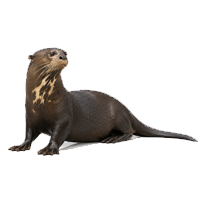
Giant otter
Likely
Falling water near Tambopata National Reserve in August concentrates fish, and otter families work the shrinking channels in the open.
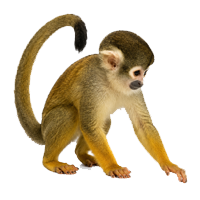
Spider monkey
Likely
Spider monkeys near Tambopata National Reserve favour tall, undisturbed forest away from settlements. Fruiting trees are where to look.
Tamshiyacu Tahuayo Reserve, August
Pink river dolphin
Possible
Low water around Tamshiyacu Tahuayo Reserve in August squeezes fish into the main channels, and the dolphins follow. Sightings get more predictable as the water drops.
Giant otter
Likely
Falling water near Tamshiyacu Tahuayo Reserve in August concentrates fish, and otter families work the shrinking channels in the open.
Monkey diversity
Peak
Fourteen primate species have been recorded near Tamshiyacu Tahuayo Reserve. Quiet trail walks in August usually turn up several in a morning.
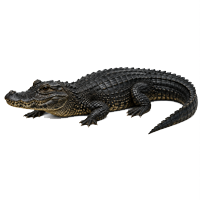
Black caiman
Likely
Low water near Tamshiyacu Tahuayo Reserve in August concentrates caiman along the remaining channels and lagoon edges.
Pacaya Samiria National Reserve, August
Pink river dolphin
Peak
Low water around Pacaya Samiria National Reserve in August squeezes fish into the main channels, and the dolphins follow. Sightings get more predictable as the water drops.
Jaguar
Possible
Peak jaguar month near Pacaya Samiria National Reserve. Scan the exposed beaches from a quiet boat at first and last light.
Giant otter
Peak
Falling water near Pacaya Samiria National Reserve in August concentrates fish, and otter families work the shrinking channels in the open.
Monkey diversity
Likely
Fourteen primate species have been recorded near Pacaya Samiria National Reserve. Quiet trail walks in August usually turn up several in a morning.
Manu National Park, August
Macaw claylick
Possible
Clear, settled clay-lick mornings near Manu National Park in August. A good choice if you would rather have a guaranteed outing than the biggest possible flock.
Jaguar
Possible
Peak jaguar month near Manu National Park. Scan the exposed beaches from a quiet boat at first and last light.
Giant otter
Possible
Falling water near Manu National Park in August concentrates fish, and otter families work the shrinking channels in the open.
Spider monkey
Possible
Spider monkeys near Manu National Park favour tall, undisturbed forest away from settlements. Fruiting trees are where to look.
TambopataTahuayoPacaya SamiriaManu
Peru Amazon Wildlife in August
Tap animals to match tours below
August Peru Amazon visit forecast
TourTheTropicsPeru's Amazon
August: lowest water, jaguar peak, friaje risk
Expect Macaw claylick, Pink river dolphin, Jaguar & Giant otter
, plus friaje risk continues; lowest water and peak jaguar odds.
Air
50–88°F (10–31°C)
Rain
Driest north; friaje still possible at Tambopata
Rivers
Low water
Recommended itineraries
Select wildlife
on the leftabove
to find tours that visit those animals
Want help planning your Peru Amazon trip?
Direct help from TourTheTropics — we’ll match you to the right lodge or cruise.
Peru's Amazon runs on two different clocks. In the north, around Tahuayo and Pacaya Samiria, the river level decides everything: high water opens the flooded forest to canoes, low water concentrates dolphins, otters and caiman into the remaining channels. In the south, around Tambopata, rainfall decides everything: the wet season brings breeding macaws and the busiest clay licks, the dry season brings exposed river beaches and the best jaguar odds. Tap a month to see what is happening at each.