
Choose Your Galápagos Cruise Itinerary
Compare ship routes, visitor sites, and wildlife — then message the cruise for quotes & information
Explore any visitor site, then choose a cruise itinerary to draw its route
The Endemic Galapagos Cruise
13-day itinerary
1 / 15
Darwin Island
What to see
- Whale sharks (seasonal)
- Schooling hammerheads
- Pelagic dive site
Wildlife
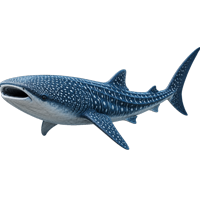
- Whale shark Huge filter feeders best known from cooler-season visits to Darwin and Wolf.
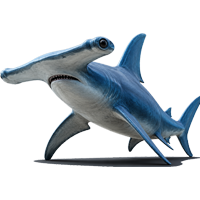
- Hammerhead shark Schooling sharks at Darwin and Wolf, most reliable in cooler water.
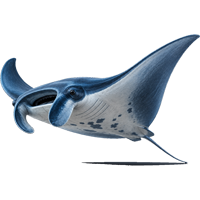
- Manta ray Large rays that show up more often when plankton is rich.
What to see
- Hammerhead schools
- Whale sharks (cooler months)
- Advanced diving
Wildlife
- Whale shark Huge filter feeders best known from cooler-season visits to Darwin and Wolf.
- Hammerhead shark Schooling sharks at Darwin and Wolf, most reliable in cooler water.
Isabela
Day 4 on this itinerary
What to see
- Historic whaler graffiti
- Penguins & flightless cormorants
- Darwin Lake hike
Wildlife
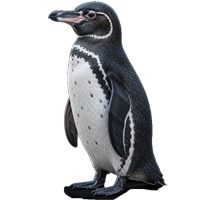
- Galápagos penguin The world's northernmost penguin, mainly on Isabela and Fernandina.
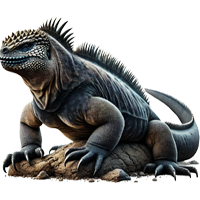
- Marine iguana Shore reptiles that bask on lava and dive to graze algae.
Isabela
What to see
- Mola mola / sunfish
- Sea turtles
- Nutrient-rich walls
Wildlife
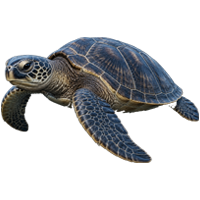
- Green sea turtle Common in the water year-round; beach nesting is strongest from December to June.
- Galápagos penguin The world's northernmost penguin, mainly on Isabela and Fernandina.
- Manta ray Large rays that show up more often when plankton is rich.
Isabela
Day 3 on this itinerary
What to see
- Mangrove panga ride
- Penguins & rays
- Sea turtles
Wildlife
- Galápagos penguin The world's northernmost penguin, mainly on Isabela and Fernandina.
- Green sea turtle Common in the water year-round; beach nesting is strongest from December to June.
- Manta ray Large rays that show up more often when plankton is rich.
Isabela
Day 3 on this itinerary
What to see
- Uplifted seabed (1954)
- Land iguanas
- Giant tortoises
Wildlife
- Giant tortoise Highland grazers. Nesting is strongest in the cool season; hatchlings appear later.
- Marine iguana Shore reptiles that bask on lava and dive to graze algae.

Isabela
What to see
- Lava tide pools
- Flamingos
- Coastal lagoon birds
Wildlife
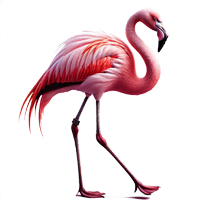
- American flamingo Pink flocks in salt lagoons, especially on Floreana and Isabela.
- Green sea turtle Common in the water year-round; beach nesting is strongest from December to June.
Fernandina
Day 4 on this itinerary
What to see
- Marine iguana colonies
- Flightless cormorants
- Lava flows into the ocean
Wildlife
- Marine iguana Shore reptiles that bask on lava and dive to graze algae.
- Galápagos penguin The world's northernmost penguin, mainly on Isabela and Fernandina.
Santiago
Day 1 on this itinerary
What to see
- Pahoehoe lava field
- Dramatic volcanic walk
- Bartolomé views nearby
Wildlife
- Marine iguana Shore reptiles that bask on lava and dive to graze algae.
Santiago
Day 12 on this itinerary
What to see
- Cone-shaped islet
- Snorkel with penguins
- White-tip reef sharks
Wildlife
- Galápagos penguin The world's northernmost penguin, mainly on Isabela and Fernandina.
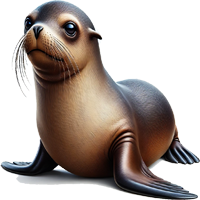
- Galápagos sea lion Curious beach and dock residents; pups are most noticeable late in the year.
Santiago
Day 10 on this itinerary
What to see
- Pinnacle Rock
- Iconic summit viewpoint
- Penguin snorkeling
Wildlife
- Galápagos penguin The world's northernmost penguin, mainly on Isabela and Fernandina.
- Green sea turtle Common in the water year-round; beach nesting is strongest from December to June.
Santiago
Day 5 on this itinerary
What to see
- Fur seals
- Coastal walks
- Tide pools
Wildlife
- Galápagos sea lion Curious beach and dock residents; pups are most noticeable late in the year.
- Marine iguana Shore reptiles that bask on lava and dive to graze algae.
Santa Cruz
Day 13 on this itinerary
What to see
- Mangrove nursery
- Sharks & rays by panga
- Quiet wildlife watching
Wildlife
- Green sea turtle Common in the water year-round; beach nesting is strongest from December to June.
- Manta ray Large rays that show up more often when plankton is rich.
Santa Cruz
What to see
- Sea turtle nesting beach
- Flamingo lagoons
- Soft white sand
Wildlife
- Green sea turtle Common in the water year-round; beach nesting is strongest from December to June.
- American flamingo Pink flocks in salt lagoons, especially on Floreana and Isabela.
Santa Cruz
Day 6 on this itinerary
What to see
- Land iguanas
- Brackish lagoon flamingos
- Dry-forest hike
Wildlife
- American flamingo Pink flocks in salt lagoons, especially on Floreana and Isabela.
- Marine iguana Shore reptiles that bask on lava and dive to graze algae.
Day 9 on this itinerary
What to see
- Giant tortoises in mist forest
- Lava tunnels
- Darwin Station / Puerto Ayora
Wildlife
- Giant tortoise Highland grazers. Nesting is strongest in the cool season; hatchlings appear later.
Floreana
Day 11 on this itinerary
What to see
- Historic barrel mail
- Baroness Lookout
- Floreana lore
Wildlife
- Galápagos sea lion Curious beach and dock residents; pups are most noticeable late in the year.
- Green sea turtle Common in the water year-round; beach nesting is strongest from December to June.
Floreana
Day 11 on this itinerary
What to see
- Olivine green beach
- Flamingo lagoon
- Sea turtle nesting (seasonal)
Wildlife
- American flamingo Pink flocks in salt lagoons, especially on Floreana and Isabela.
- Green sea turtle Common in the water year-round; beach nesting is strongest from December to June.
- Manta ray Large rays that show up more often when plankton is rich.
Floreana
Day 11 on this itinerary
What to see
- Snorkel inside a volcanic crater
- Dense tropical reef fish
- Rays, turtles & sharks in the current
Wildlife
- Green sea turtle Common in the water year-round; beach nesting is strongest from December to June.
- Manta ray Large rays that show up more often when plankton is rich.
- Galápagos sea lion Curious beach and dock residents; pups are most noticeable late in the year.
San Cristóbal
Day 7 on this itinerary
What to see
- Hammerheads in the channel
- Dramatic volcanic stack
- Premier snorkel / dive
Wildlife
- Hammerhead shark Schooling sharks at Darwin and Wolf, most reliable in cooler water.
- Green sea turtle Common in the water year-round; beach nesting is strongest from December to June.
- Galápagos sea lion Curious beach and dock residents; pups are most noticeable late in the year.
San Cristóbal
Day 7 on this itinerary
What to see
- Sea lion colony
- Blue-footed boobies
- Shallow snorkel
Wildlife
- Galápagos sea lion Curious beach and dock residents; pups are most noticeable late in the year.
- Blue-footed booby A landing favourite for its foot-lifting courtship dance.
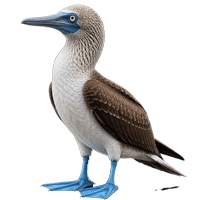
San Cristóbal
What to see
- All three booby species
- Frigatebirds
- Red volcanic landscape
Wildlife
- Frigatebird Males inflate a bright red throat pouch when advertising for a mate.
- Blue-footed booby A landing favourite for its foot-lifting courtship dance.
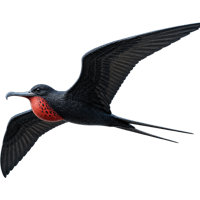
Day 7 on this itinerary
What to see
- Eastern gateway port
- Sea lions on the malecón
- Interpretation Center
Wildlife
- Galápagos sea lion Curious beach and dock residents; pups are most noticeable late in the year.
- Frigatebird Males inflate a bright red throat pouch when advertising for a mate.
Española
Day 8 on this itinerary
What to see
- Waved albatross colony
- Blowhole cliffs
- Nazca boobies
Wildlife
- Waved albatross Nests only on Espanola, with courtship dances from about April to June.
- Marine iguana Shore reptiles that bask on lava and dive to graze algae.
- Blue-footed booby A landing favourite for its foot-lifting courtship dance.
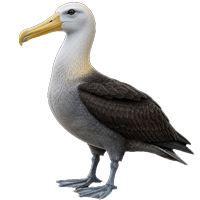
Española
Day 8 on this itinerary
What to see
- Long white sand beach
- Playful sea lions
- Relaxed swimming/snorkeling
Wildlife
- Galápagos sea lion Curious beach and dock residents; pups are most noticeable late in the year.
- Green sea turtle Common in the water year-round; beach nesting is strongest from December to June.
Genovesa
What to see
- Red-footed boobies
- Frigatebirds
- Submerged crater beach
Wildlife
- Frigatebird Males inflate a bright red throat pouch when advertising for a mate.
- Blue-footed booby A landing favourite for its foot-lifting courtship dance.
Genovesa
What to see
- Nazca booby cliffs
- Short-eared owls
- Storm petrel fields
Wildlife
- Frigatebird Males inflate a bright red throat pouch when advertising for a mate.
- Blue-footed booby A landing favourite for its foot-lifting courtship dance.
Pinch with two fingers to zoom · drag to pan
13-day itinerary day by day
-
Day 1 · Tuesday
Baltra Arrival & Sullivan Bay
You'll land at Baltra Island Airport, where the crew is waiting to bring you straight to the vessel. Sullivan Bay sits on the east coast of Santiago Island, where you'll land on a white coral sand beach and walk out across a field of lava that flowed less than a century ago, some of the …
-
Day 2 · Wednesday
Tintoreras & Sierra Negra Volcano
Las Tintoreras is a chain of islets off Isabela Island, well suited to a dinghy ride, snorkelling, kayaking or paddleboarding. Sierra Negra, one of the most active volcanoes in the Galápagos, holds the second largest caldera in the world. At the Arnaldo Tupiza Breeding Center you'll see infant and juvenile tortoises being raised until they're …
-
Day 3 · Thursday
Elizabeth Bay & Urbina Bay
A zodiac ride starts with a visit to the Marielas Islets, home to the largest and most important penguin colony in the Galápagos, before continuing into a cove lined with red mangroves. Urbina Bay follows, where uplifted coral formations sit alongside land iguanas, giant tortoises and lava lizards.
·
-
Day 4 · Friday
Tagus Cove & Espinoza Point
At Tagus Cove you'll look out for the flightless cormorant and other seabirds before the trail climbs to a cliff top overlooking Darwin Lake, a saline lake saltier than the ocean itself. Espinoza Point sits within a striking lava landscape dotted with lava cactus, with mangroves growing straight out of the rock.
·
-
Day 5 · Saturday
Buccaneer Cove, Espumilla Beach & Rabida Island
Buccaneer Cove was once a stop for pirates and whalers repairing ships and loading tortoises, and today it's a peaceful spot for a zodiac ride, snorkelling or kayaking, or you might instead spend the time at Espumilla Beach, known for marine iguanas, Sally lightfoot crabs, herons and octopi along its pale sand. Rábida Island closes …
-
Day 6 · Sunday
Mosquera Islet & Dragon Hill
Mosquera Islet is a long sand bank stretching over 600 metres, home to one of the largest sea lion populations in the Galápagos, along with lava gulls, Sally lightfoot crabs and the occasional orca offshore. At Dragon Hill, in the northwest of Santa Cruz Island, a walk inland brings you to land iguanas, a flamingo …
-
Day 7 · Monday
Kicker Rock, Witch Hill & Lobos Island
Kicker Rock is an impressive formation shaped by centuries of erosion, and the boat circles it slowly for photos as the light shifts. Witch Hill offers a dinghy ride past dramatic rock formations along the shoreline before you land on a white sand beach with some of the clearest water in the islands. In the …
· ·
-
Day 8 · Tuesday
Gardner Bay, Osborn and Gardner Islets & Suarez Point
Gardner Bay, on Española Island, offers a white sand beach for relaxing, snorkelling or sunbathing next to sleeping sea lions, or you might spend that time at the Osborn and Gardner Islets instead, a strong spot for underwater exploration and snorkelling. Suárez Point closes out the day, a favourite among veteran Galápagos guides and the …
·
-
Day 9 · Wednesday
Santa Fe Island, Fausto Llerena Breeding Center & Santa Cruz Highlands
Santa Fe Island offers two trail options, both good for spotting endemic species along the way. After the walk, a swim in calm water or a snorkel alongside playful sea lions is hard to resist. At the Fausto Llerena Breeding Center you'll see tortoises of different subspecies being bred and readied for reintroduction to the …
-
Day 10 · Thursday
South Plaza Island & Bartholomew Island
South Plaza Island is a small, rocky island covered in endemic cacti and home to a healthy population of land iguanas. Bartholomew Island follows in the afternoon, home to Pinnacle Rock, one of the most recognisable formations in the Galápagos, with a beach at its base that's ideal for snorkelling alongside penguins.
-
Day 11 · Friday
Devil's Crown, Cormorant Point or Post Office Bay & The Baroness' Overlook
Devil's Crown, a submerged volcanic crater off Floreana Island, is one of the best places in the Galápagos to snorkel with sharks, sea turtles and rays. From there you'll visit either Cormorant Point, a walk across green olivine sand leading to a lagoon where flamingos gather, or Post Office Bay, where you can leave a …
· ·
-
Day 12 · Saturday
Chinese Hat & North Seymour Island
Chinese Hat is named for its distinctive cone shape, a site known for its volcanic geology and one rarely visited outside a Galápagos cruise. North Seymour Island follows, home to the largest colony of magnificent frigatebirds in the Galápagos, along with blue-footed boobies performing their courtship dance.
-
Day 13 · Sunday
Black Turtle Cove & Departure
Black Turtle Cove is explored quietly by panga, with sharks, sea turtles, herons and the occasional school of golden rays moving through the shallows. After this last stop you'll be transferred to Baltra Airport for your flight back to mainland Ecuador.
The Endemic Galapagos Cruise
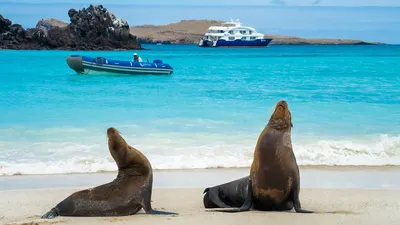
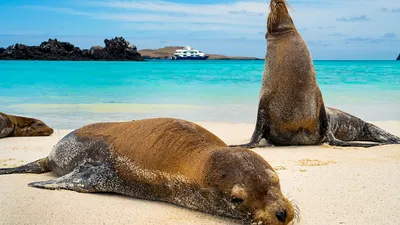
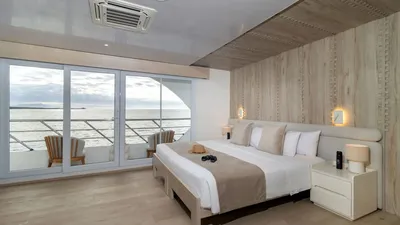
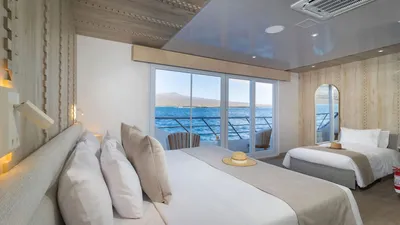

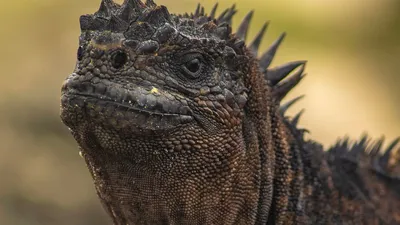
Aboard the Endemic Cruise, you will explore isolated islands, wildlife havens, and breathtaking landscapes with the following itineraries. Choose from short or long Galapagos expedition packages. On each cruise, expert Galapagos National Park guides lead daily excursions to help you make the most of your experience of these remarkable islands. Choose from 3, 4, 5 and 7 night cruises.
View cruise info Check availability with The Endemic Galapagos Cruise
Want help organizing your Galápagos Islands experience?
Receive quotes and help from 3 top-rated travel agencies.